3. Social media
Social media lets businesses communicate with their customers directly, often in real time. These platforms let you collect and manage feedback directly and also observe candid customer reactions in the wild.
4. Recorded calls
If you record calls with customers, you can leverage that data for your VoC research. Customer calls can provide valuable insights into common customer complaints, questions, or objections to your products and services.
5. Customer behavior data
You can learn a lot simply from collecting and observing customer behavior. One of the main ways to do this is to observe how customers interact with your website.
For example, heatmaps will help you see how your customers navigate your company website, giving you key insights into what content and design elements work well and what features are not converting. You can then use strategies like A/B testing to discover what changes are most effective.
Comparing what your customers say they want and how they behave will help you identify what they really need—a crucial insight for successful product development and strategy.
6. Customer reviews
Customer reviews online play an important role in your brand’s reputation and overall success.
Pay attention to reviews of your business (positive and negative) to not only understand what customers like and dislike about their experience but also to improve your reputation management processes and enhance the customer experience in the future.
7. Employee feedback
Your employees often have valuable insight into the customer experience, particularly those who interact with customers directly. For instance, your customer service team may notice certain customer patterns that aren’t clear from other VoC research, such as specific questions or common escalations.
Additionally, employees can help you identify obstacles within your processes or technology that could hinder successful customer experience delivery.
Gather employee feedback (through surveys, brainstorming sessions, or other methods) to gain perspective on the customer experience from the inside.
Voice of the Customer best practices
When building a Voice of the Customer program, consider these best practices.
Segment customers
Before you begin researching customer behavior, divide your customers into segments or personas.
These segments will help you target your research and questions to the right people, which will ensure your questions are relevant and streamline the data collection process. Plus, you won’t waste customers’ time with irrelevant questions, thus delivering a negative experience.
Act on the feedback you receive
Feedback is useless if you don’t act on it. Plus, customers want to see evidence that you are listening to them.
That means you need to address and resolve customer feedback ASAP. To do this, you will need to create a culture that values and prioritizes feedback and the VoC process.
Strengthen your processes and close the feedback loop efficiently by providing ample resources to your employees, making it easy to collaborate and communicate across teams and departments, and demonstrating buy-in from the top.
Discover key insights using the right tools
A robust Voice of the Customer program relies on quality tools and resources. Invest in tools that make data collection and analysis cleaner and more effective.
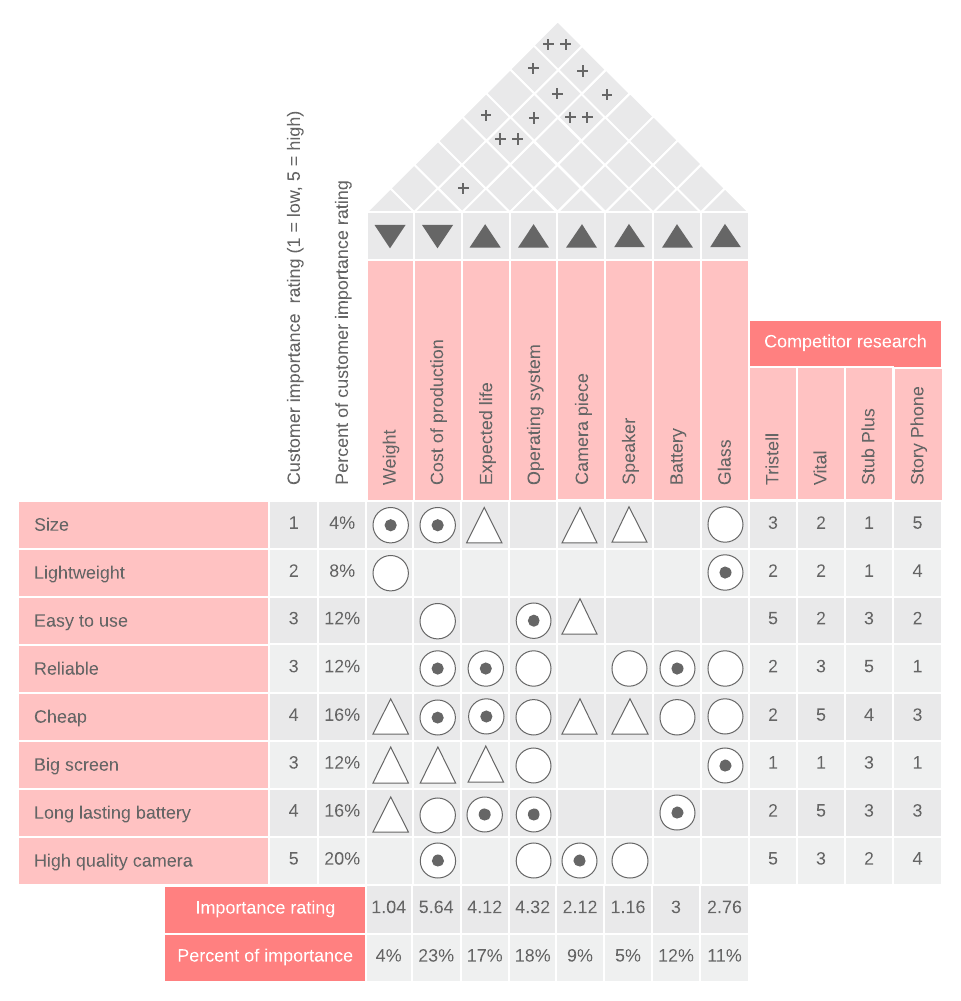
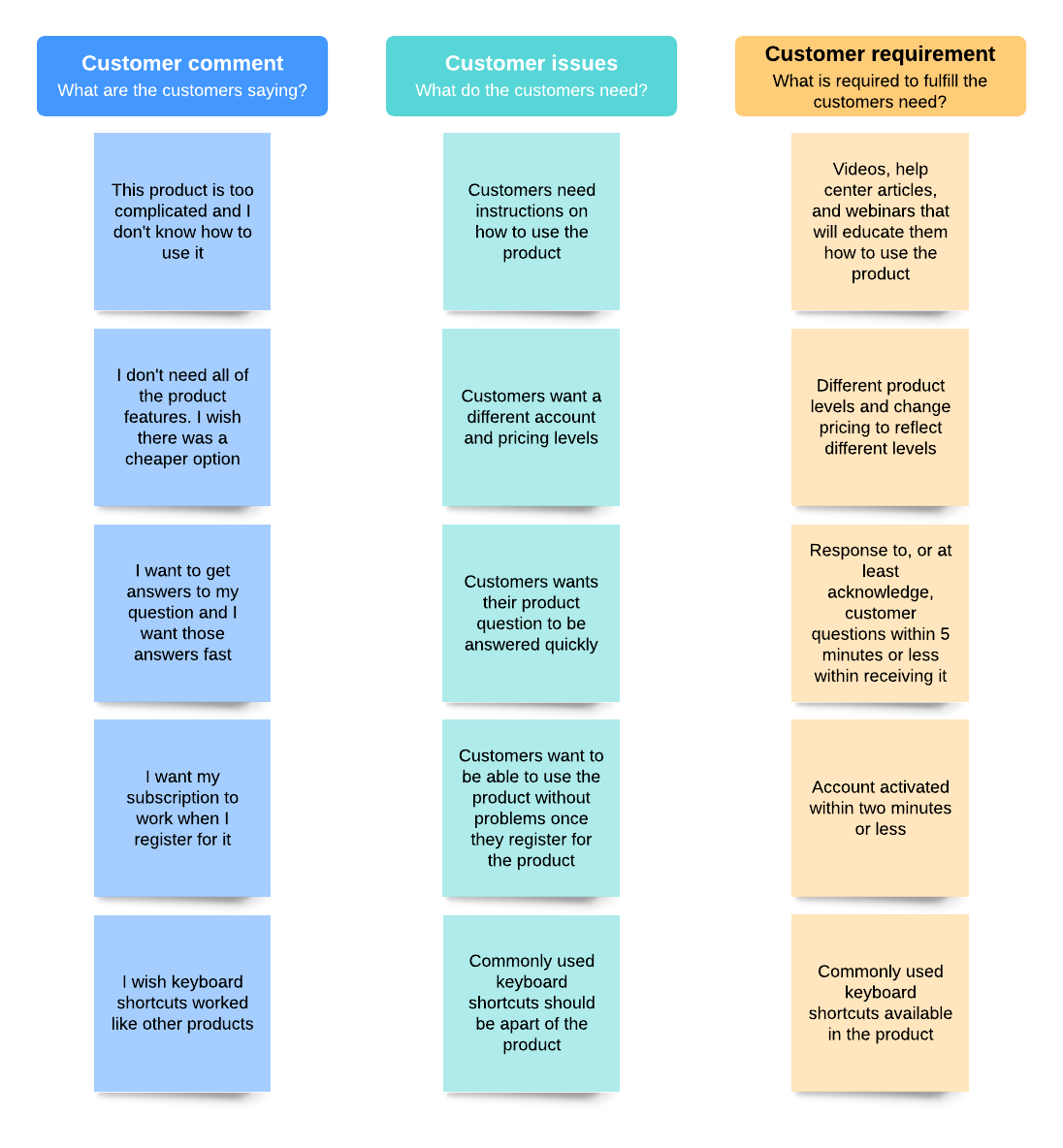
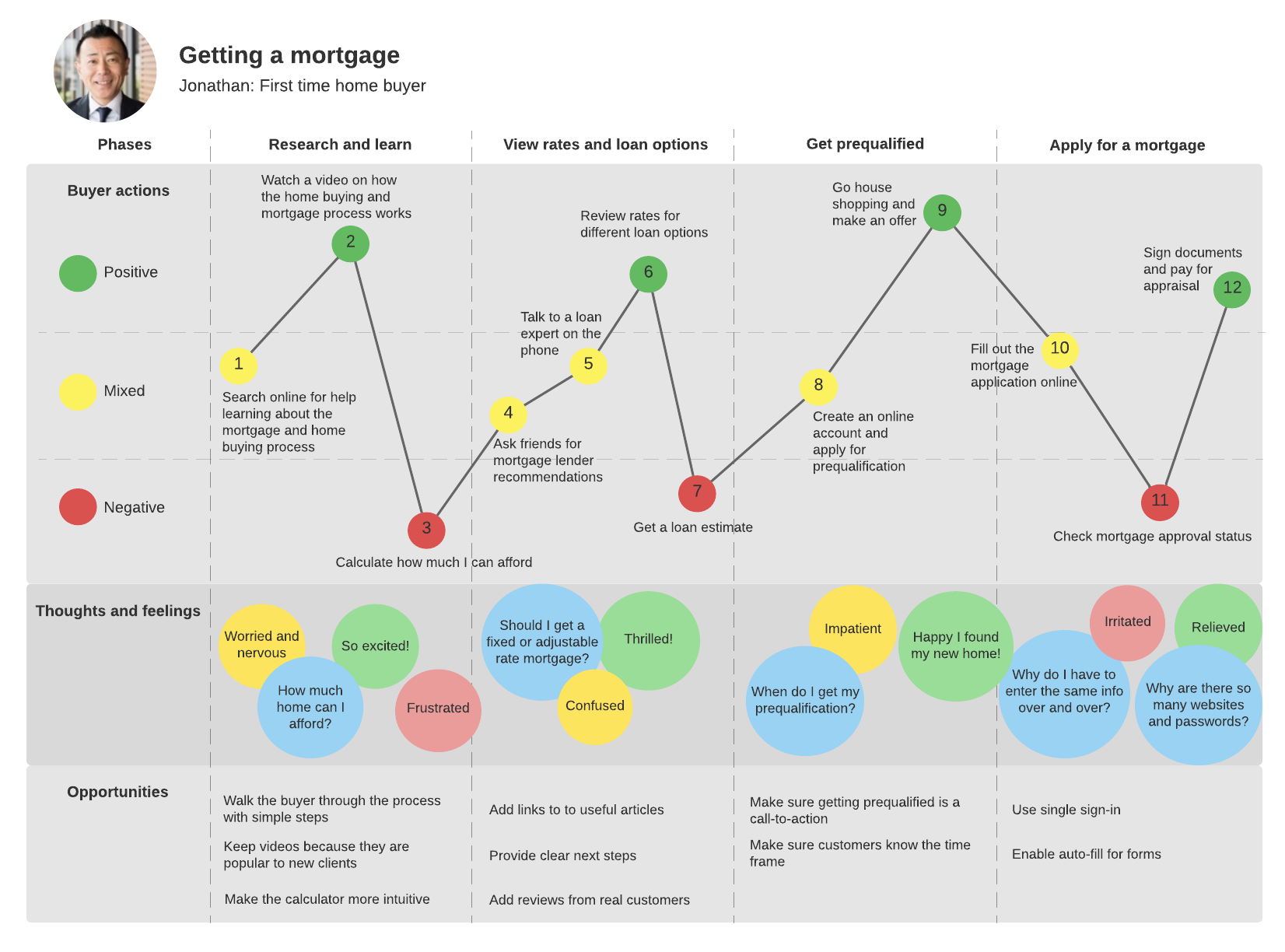
VoC templates, customer journey maps, and dashboards are a great way to visualize data helping you streamline processes, uncover new insights, and ensure clear communication and collaboration across teams and departments.