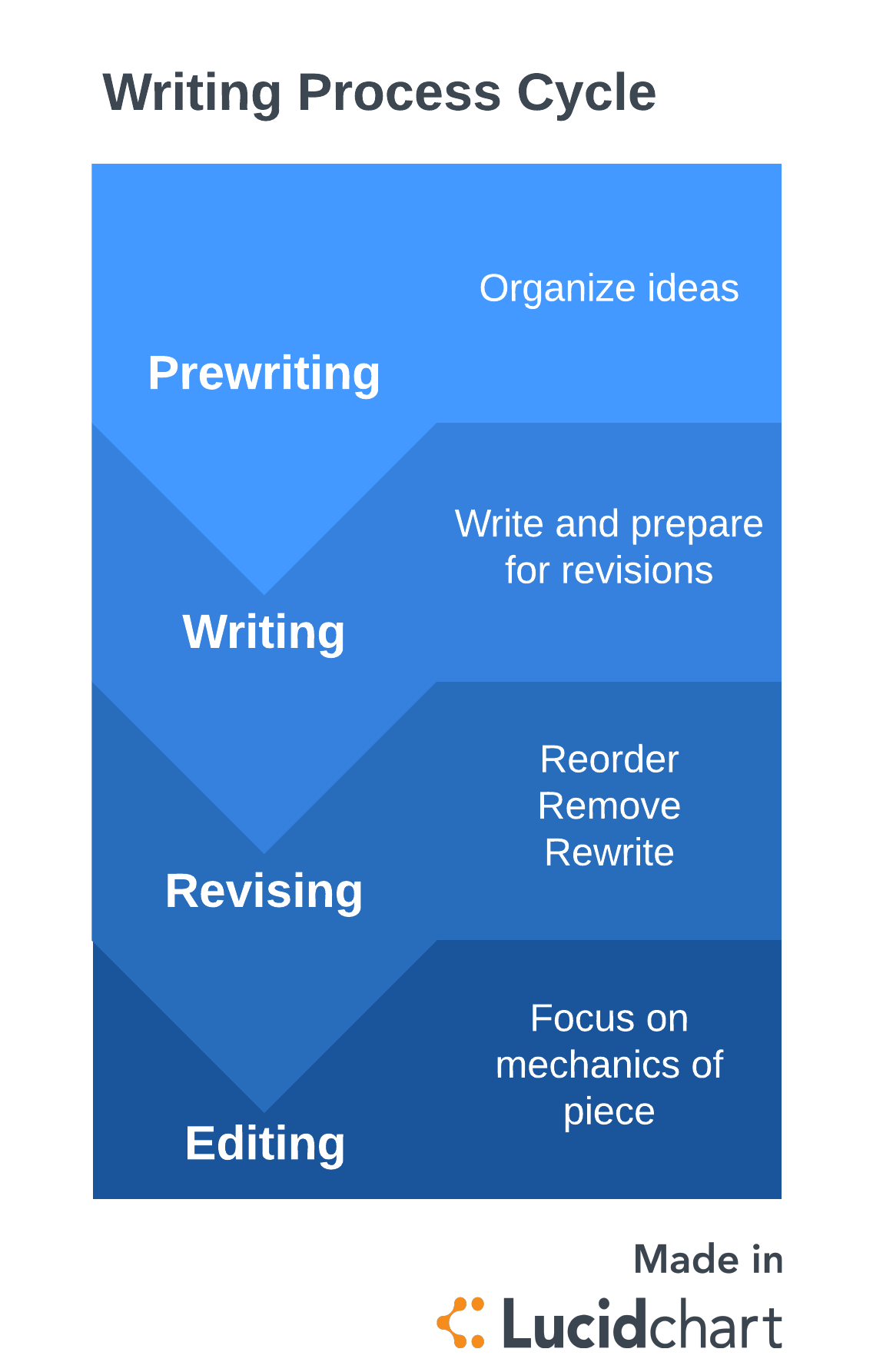
Step 2: Writing
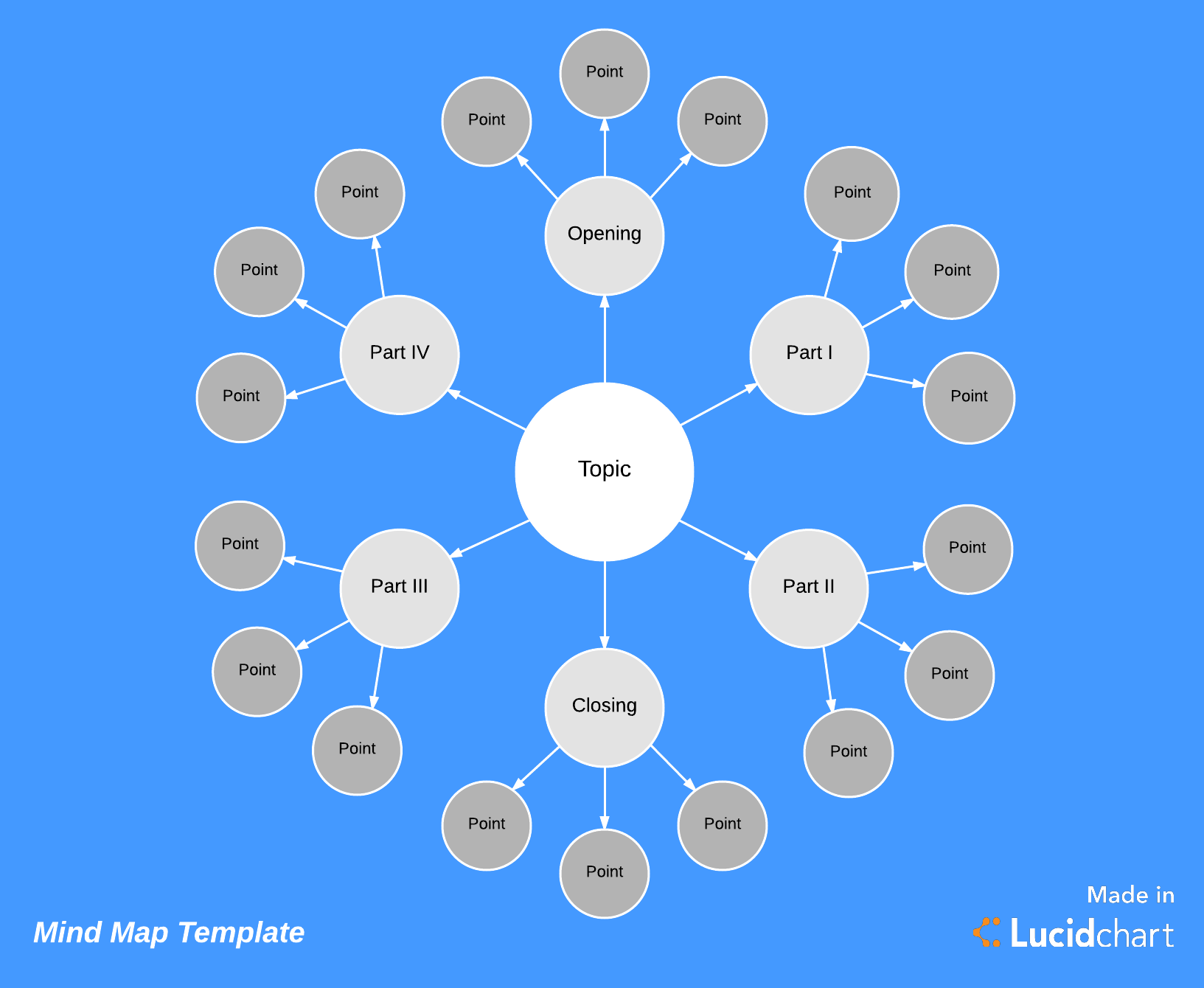
By this point, you're hopefully feeling a little more acquainted with your topic. You’re no longer strangers, a picture's forming in your head, an outline's taking shape, and you're ready to just start writing.
That's the key to the writing stage: to just write. Put the inner critic in your head on mute. Bad ideas and good ideas, perfect words and imperfect words all live together in the writing stage. Resist the urge to self-edit as you go along, and just let the words come out. You’ll have separate rounds for revisions and editing so that you can spend this step solely on writing.
But what happens if you’re stuck? Ever the stonewalling nemesis, writer's block befalls even the most prolific of writers. There are few things more frustrating than when our muse ghosts us. Not to despair! Writer's block can be a blessing in disguise that makes us dig a little deeper and take some non-linear approaches to summon the muse once more:
Walk away
Take 20 minutes and just take some time to do anything but write. It might surprise you to see what words and ideas return to the surface after a little intermission.
Get those creative juices flowing
Try freewriting exercises, where you sit down and write non-stop for a set period of time, to bring those subconscious words to light. Whatever you do, do not stop writing. Use filler words if you can’t think of anything, but keep going. After 15 minutes or so, stop and sift through your freewriting session and see what revealed itself.
Create a flowchart
Diagram what you have so far to see if you can find the logical place to continue in your writing. With a free Lucidchart account, you can easily put together a flowchart that outlines your story or article from beginning to end.
Establish a routine
If you’ve ever truly loved a sports team, then you understand the power and mystique of superstition. Whether it’s wearing your special writing socks or starting the morning drinking your favorite coffee in your favorite chair, setting your own writing ritual sets the stage and puts you in the right mindset to write.
Step 3: Revising
Here’s where the puzzle finally comes together. During this stage, you’ll reorder, remove, and even rewrite sections to make sure what you have written clearly conveys the story or information you want readers to know. Wait awhile before you return to your draft so you can approach your writing as if for the first time.
The Scott, Foresman Handbook for Writers says to “think BIG, don’t tinker” during this stage. Rather than focus on grammar (we’ll come back to that later), you want to cut ideas that don’t relate to your work’s purpose, improve the flow, tighten up your language, etc.
Step 4: Editing
With everything in place, this is the time to cross your t's and dot your i's—literally. Focus on the pure mechanics of your piece, making sure your grammar and spelling is on point. Nothing will distract your reader faster from what you're trying to say than simple spelling errors. You can also ask a friend or colleague to review your piece if you want a fresh set of eyes on it. It's funny the things we miss when we've been too close to a piece for too long.
Writing doesn’t have to be painful
There's an (ironically) unwritten rule that writers must be tortured in order to create anything of substance. If a writer isn't tortured while they write, did they ever write at all?
But we won't tell if you won't that with tools like mind maps and flowcharts, writing can almost be (gasp) enjoyable! Sign up for your Lucidchart account today and believe us when we say, “Happy writing!”