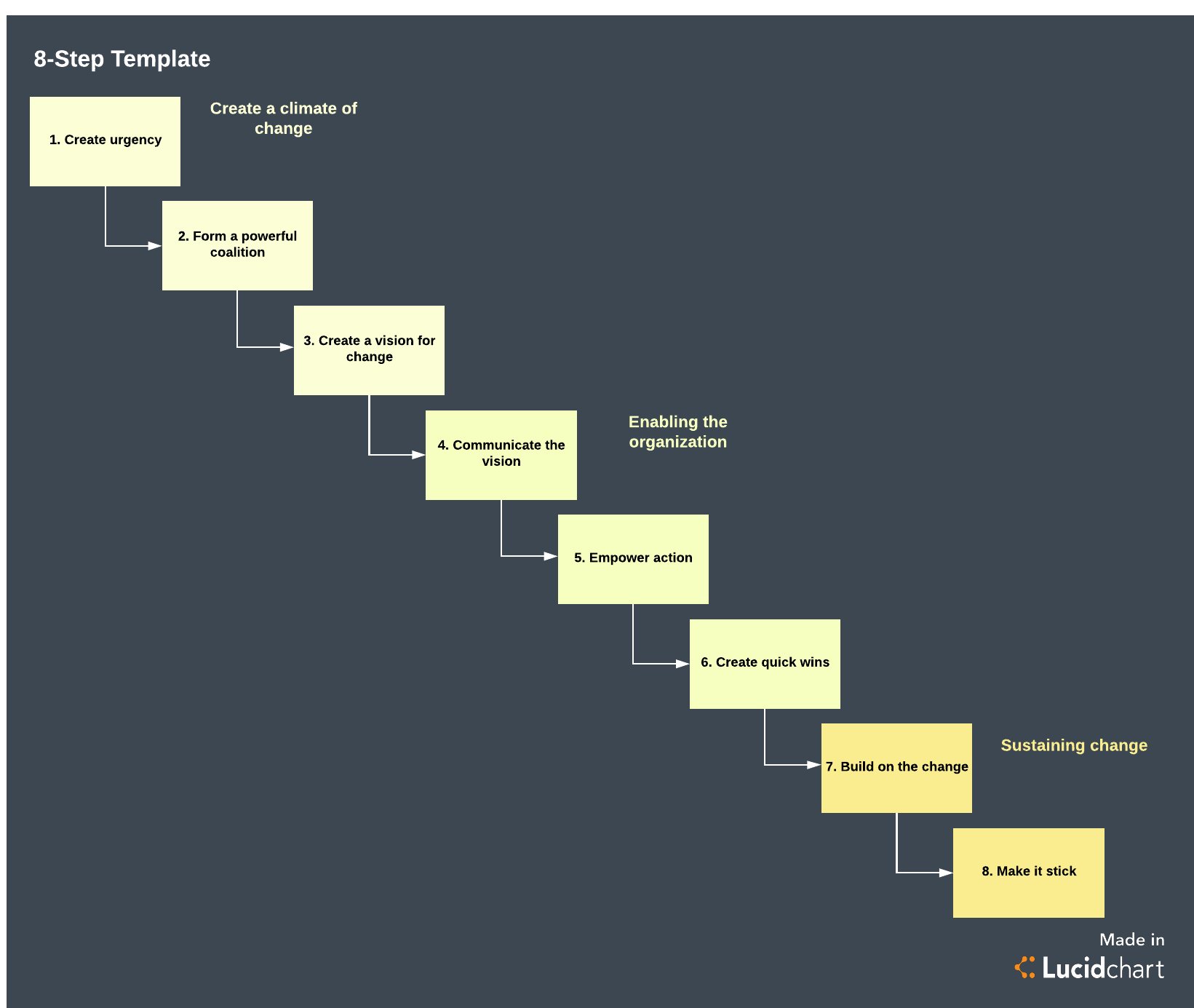
5. Remove obstacles
As you’ve undoubtedly found out by this point, you have to expect resistance to change. To gain momentum for your vision, remove obstacles to adopting your new idea.
- Find industry leaders to reinforce the value of your change by delivering on it.
- Assess the layout of your organization and ensure that your vision is aligned with the various levels of the organization, and vice versa.
- Identify those most resistant to your change and work to remove their concerns, or create proactive solutions around their resistance.
- Reward and recognize those who support and implement change in its early phase.
6. Create short-term wins
Change is implemented not just by a spark, but by a consistent current. You have to build momentum for your vision to make sure it sticks. Short-term victories are great motivators for those who are working on your new vision and are a great way to combat any naysayers or critics of your vision. Here are some ways to do this:
- Find short-term projects that aren’t costly and don’t require sign off from any potential opposition.
- Carefully select the right project or target—failing at an early goal can undermine the value of your proposed change.
- Reward the team members who are essential in meeting targets.
7. Build on the change
Early victories, while great for inciting the change, are not enough to sustain it. Quick wins may deceive you or your teammates that the process of change is complete, but true change must be settled with repetition and expansion. To build on change, you must:
- Analyze what went right and what went wrong after each victory.
- Set gradually more ambitious goals that can build exponential momentum upon achievement.
- Bring on additional influential stakeholders or change agents.
8. Anchor the changes in corporate culture
The final step to your change process is ensuring that it is embedded into your company culture. Time and changes in leadership or staff can evaporate the impact of your change. To ensure that your change remains part of the company culture:
- Talk about progress at every opportunity possible. Share stories about success from your change vision, and repeat stories from others.
- Continue to recognize key coalition and change members, creating opportunities to honor their contribution and their legacy to the change you envisioned.
- Instill the core values of your change into every new hire and in your orientation process.
- Gain buy-in early on from all new leadership in order to sustain the legacy of the leaders before them in your succession plan.
A model for all areas
You can observe the Kotter approach to change management in virtually every arena of organizational psychology, including business, politics, education, and even sports. Knowing these steps will help you at every level in your organization, whether you're leading the charge for a big company change or supporting the execution of someone else’s vision.
The next time you take on a new project or lead a new agenda, incorporate Kotter’s change model example and take notes on how well your changes took effect. Improving your ability to deal with change will translate to massive value in every area of your life.
Charting the course with the Kotter approach to change management
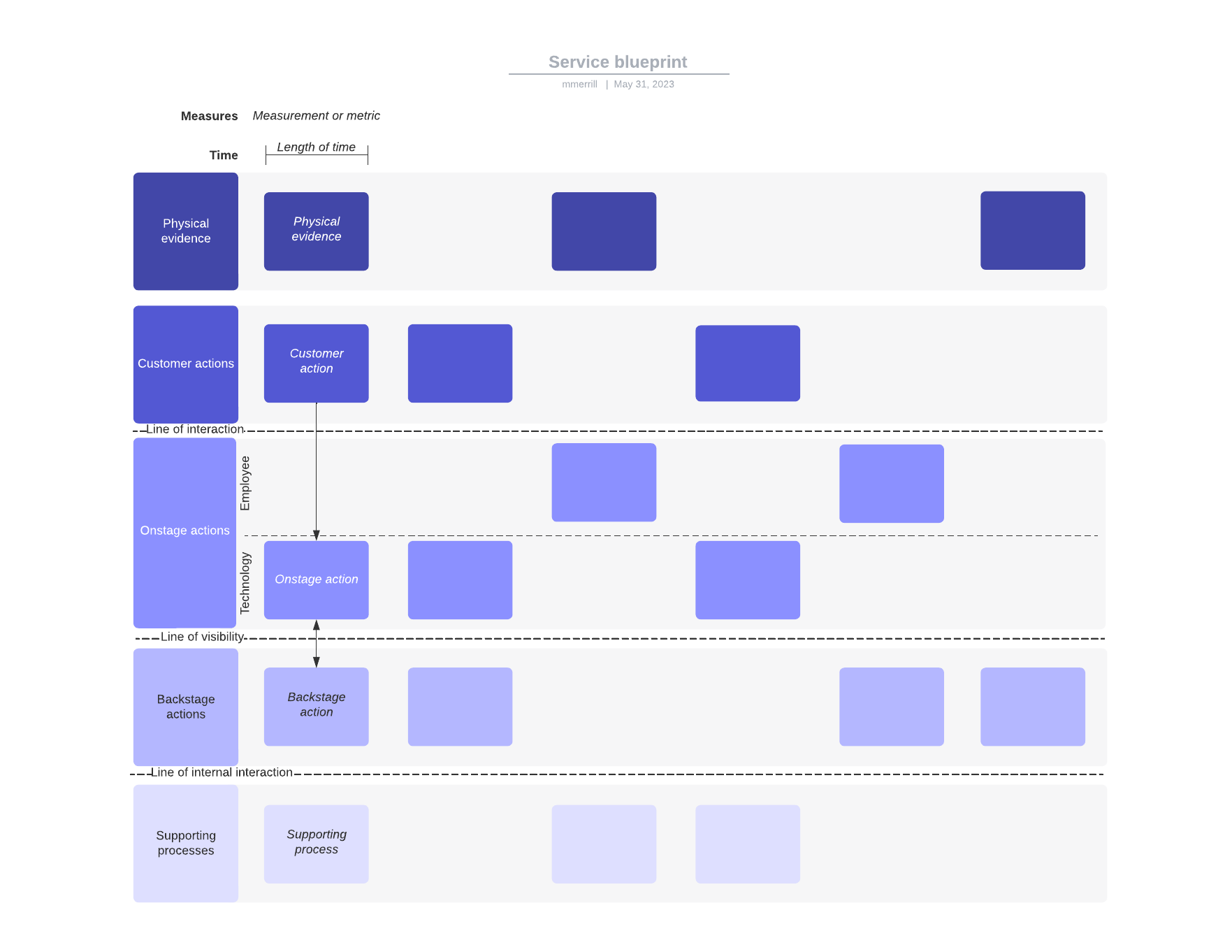
Visuals help you communicate information and present a vision to new audiences. They help to cement ideas and prioritize the most important messages. Diagramming your change process is the surest way to set the course for the transformation you want to take place.
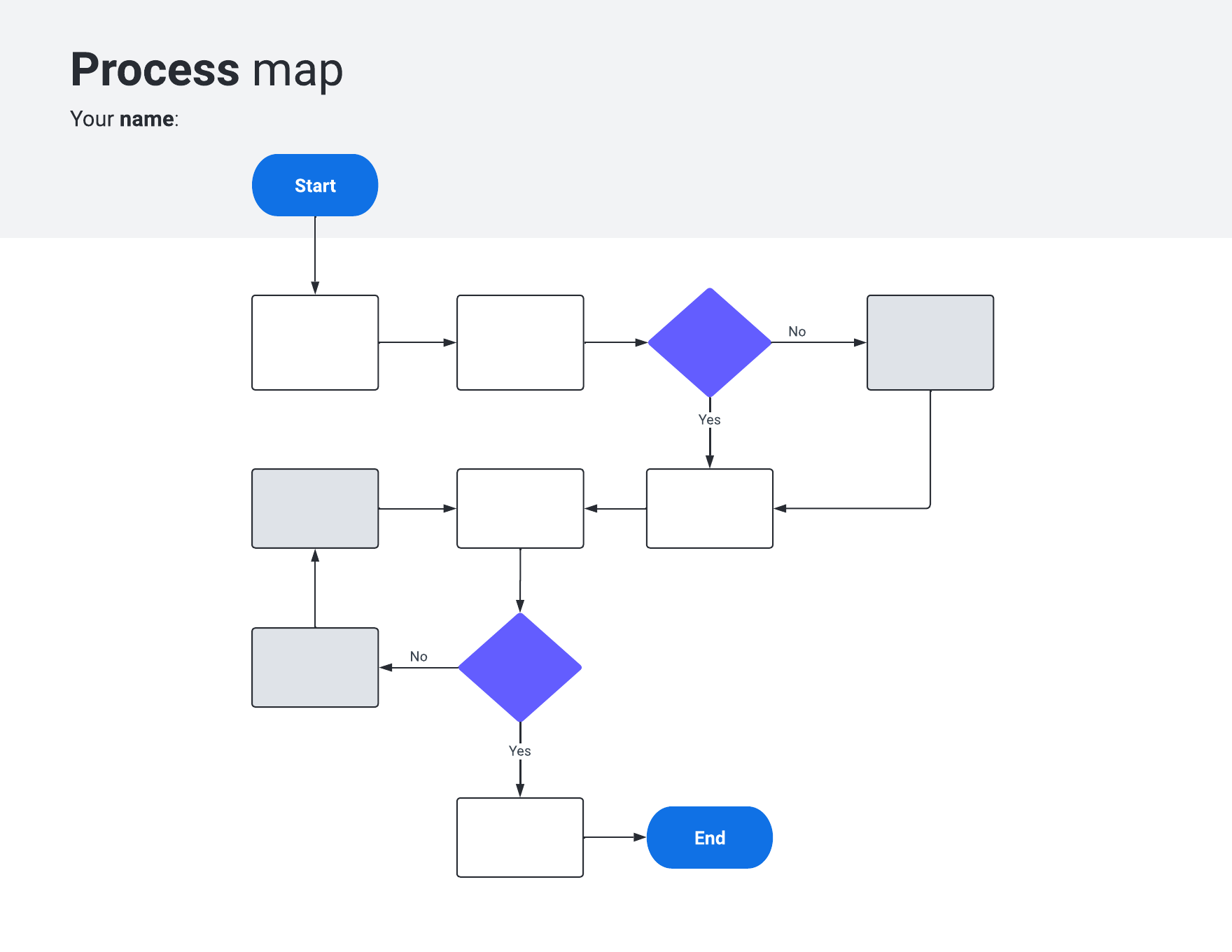
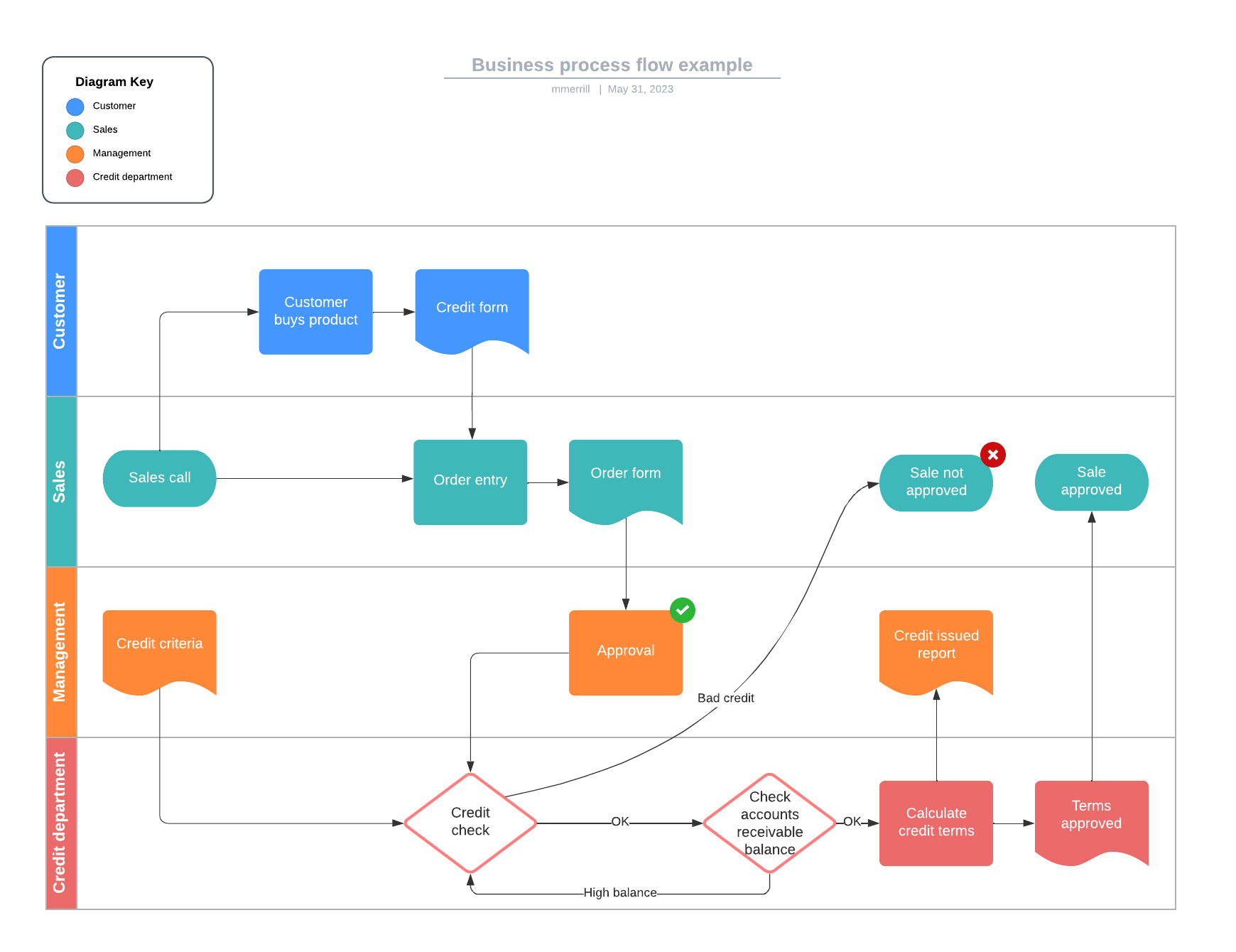
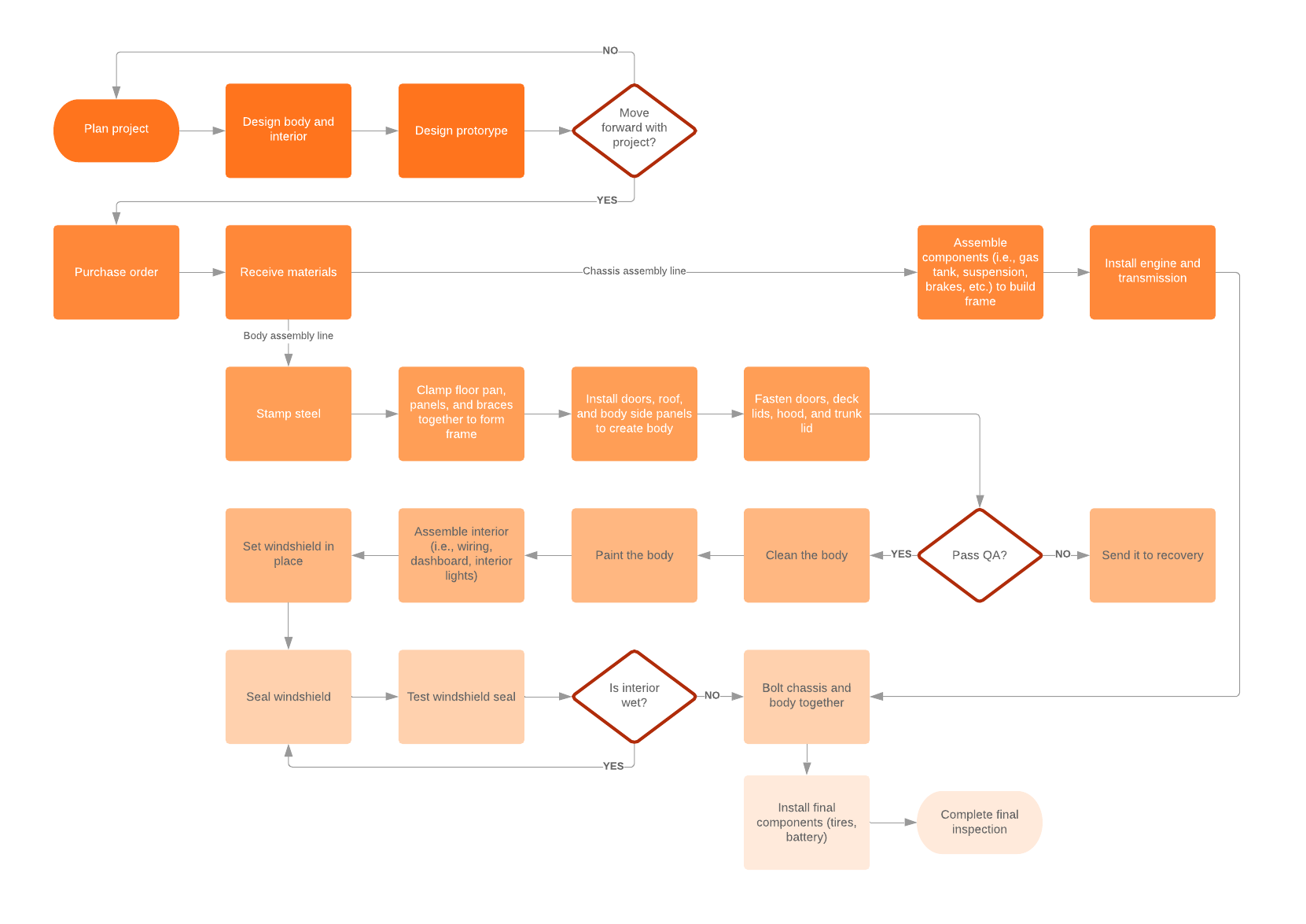
Consider trying out these free Lucidchart templates to get started.